Nutrition During Medical Weight Management
GLP-1 Nutrition. Appetite changes. Nutrition still has to work.
If you’re taking a prescribed weight-management medicine, eating can suddenly feel very different. Less hunger. Smaller meals. Foods you normally enjoy may not appeal.
Eating less doesn’t automatically mean your nutritional needs shrink with it.
When there’s less room for food, what you choose can matter more.
WHERE DO YOU START?
The same treatment can create very different nutrition problems.
Some people are barely hungry. Others can eat, but digestion has become the problem. Others simply want to make a smaller intake count.
Start with what is getting in your way right now.
-
Food doesn’t appeal. Meals get skipped without much thought and by the end of the day you’ve eaten surprisingly little.
The priority: creating enough structure to eat when hunger isn’t reminding you. -
Nausea, early fullness, reflux, constipation or bloating can make otherwise sensible nutrition advice difficult to follow.
The priority: work around tolerance first. More fibre isn’t automatically the first answer. -
You’re managing food reasonably well, but there’s simply less of it.
The priority: make those smaller eating opportunities work harder — protein, nutrient density, fibre and fluid in the right order.
Three ways to take the next step
Understand what’s changing
Choose the level of support that suits where you are now.
01
Build your understanding
Start with the
nutrition picture
Appetite, fullness, digestion, thirst and overall intake can all change. Understand what may be happening — and what deserves attention first.
Balanced information. No hype.
02
Get practical support
Start with
the free guide
Eating Well When Your Appetite Has Changed — a practical starting point for making a smaller intake count.
Protein, fibre, fluid and what to do when symptoms get in the way.
03
Get personalised guidance
Talk with Jon
Ask questions and understand where clinical nutrition may fit for you.
15 minutes, online. No obligation to book afterwards.
Just have a quick question?
Ask the Online Assistant
Prefer to contact Jon directly? Contact Jon
How I work
Your appetite has changed.
The FORWARD Method™ helps your nutrition change with it.
Let’s use the quiet to build what comes next.
-
Step 01: Understand it
Understand what’s limiting you
We start with what is actually happening — appetite, fullness, digestion, hydration, food intake, symptoms, medications and your real-life routine.
The first priority is finding what deserves attention now.
-
Step 02: Unravel it
Make a smaller intake work harder
When there’s less room for food, generic advice can become harder to follow. We build practical structure around protein, nutrient density, fibre, fluid and eating opportunities — adapted to what you can actually manage.
No perfect meal plan required.
-
Step 03: Move forward
Adjust as things change
Appetite, tolerance and intake can shift over time. Nutrition support should move with them — reviewing what’s working, troubleshooting what isn’t and keeping your medical team involved where needed.
Your prescriber manages the medicine. We work with the nutrition around it.
Meet Jon
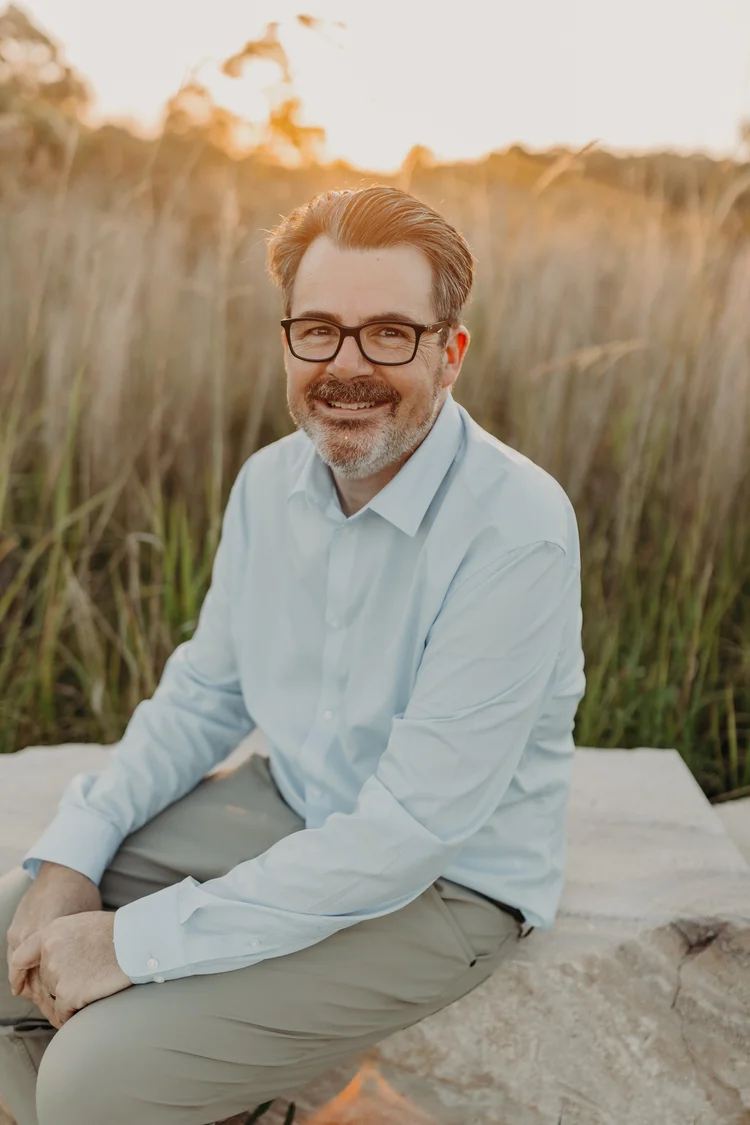
Hi, I’m Jon.
I’m a Certified Practising Nutritionist (AARPN), but I came to clinical nutrition by a different route.
Before Fast Forward Nutrition, I spent more than three decades working across the food industry — from running restaurants and opening cafés to food manufacturing, grocery and foodservice. I’ve worked alongside the people developing, selling and positioning food, and seen how commercial decisions shape what appears on the shelf, what gets promoted and ultimately what ends up on our plates.
My approach is also shaped by lived experience of navigating my own weight and metabolic health, alongside formal clinical training. Together, those experiences have given me three perspectives: your biology, the real life around it, and the food environment you’re trying to navigate.
Because nutrition doesn’t happen in a textbook. Your choices are shaped by your physiology, habits and circumstances — and an enormous amount of noise about what you should be doing.
Fast Forward Nutrition isn’t about fast nutrition or quick fixes. It’s about getting through the noise, guesswork and self-doubt to work out what’s happening, what’s getting in the way and what needs attention first — then building a path forward that fits your health and your real life.
Clinical nutrition is also only one part of the picture. Where something needs medical assessment, investigation or treatment, I’ll be clear about that and work alongside your GP or other health professional where appropriate.
Fast forward the noise. Fast forward the self-doubt. Fast forward to you.
That same perspective shapes Real Life Nutrition with Jon, my weekly YouTube series unpacking supermarket specials, pricing, products, nutrition claims and trends — helping you understand how nutrition ends up on your fork and make better decisions for your health and your budget.
Your FORWARD Plan
Practical recommendations to take away and use.
You’ll receive a written, personalised prescription with dietary and lifestyle recommendations, and an agreed supplementation prescription where appropriate.
We focus on what matters now. Recommendations and resources are selected for your needs.
Receive clear priorities
Know what to focus on over the coming weeks.
Know what and how much to eat
Relevant food targets translated into foods, serves and meals.
Choose food in everyday situations
Practical supermarket, café, takeaway and restaurant choices.
Prepare and organise food
Meal preparation and routines that fit your everyday life.
Understand your recommendations
Know why a change matters and how to introduce it.
Monitor your response and adjust
Agree what to notice, then review what works and what needs changing.
How we put it into practice
Your written prescription
Clear priorities and practical instructions to take away and use in everyday life.
Agreed supplementation
Where appropriate, clear instructions on what to take, how much, when and what we’ll review.
Practical take-home guides
Relevant FFN Playbooks explain your recommendations and provide food ideas and examples.
Review together
At your follow-up, we assess your response, troubleshoot difficulties and adjust your prescription.
You don’t need to change everything at once.

Nutrition still matters when appetite changes.
So does the rest of your life.
Food. Movement. Sleep. Real life.
Losing weight is only part of the picture.
If a GLP-1 has changed your appetite, your nutrition needs to work with that change. The starting point is understanding what you’re eating now, what may need more attention, and what matters for your health beyond the number on the scales.
Understand it
See what your changing appetite means for nutrition, symptoms and your wider health.
Unravel it
Work out what needs attention first — without trying to fix everything at once.
Move forward
Build practical nutrition around what you can eat, tolerate and sustain.
Have a question before you book? Contact Jon →
New to Fast Forward Nutrition?
There’s more here to explore.
A smaller appetite changes more than the number on the scales. I’ve built free guides, tools and real-life resources to help you get familiar with the rest of the picture.
Take your time. Stay connected. When you’re ready to bring the pieces together around you, I’ll be here to help.

When your appetite has changed
Free 9-page guide
What changes when you can’t eat much, what your body still needs, and where to start.
Free. Read it in your own time. Not advice about your medicine — that stays with the doctor who prescribed it.
Explore more resources
Maybe there’s one thing you want to ask before you go.
Contact Jon →
FROM THE BLOG
Learn your metabolism
Stop guessing