Weight Loss Support Through Clinical Nutrition
Weight loss is not just one thing. And there is no one way that works for everyone.
You can be told to eat less, move more, cut carbs, count calories, fast, lift weights or simply try harder.
But knowing the rules isn’t always the problem.
Appetite, food noise, nutrition, sleep, metabolic health, hormones, medications, movement and real life can all shape the picture, and they won’t matter in the same way for everyone.
The internet has answers. The clinical work is figuring out which answers apply to you.
UNDERSTANDING WEIGHT LOSS
Energy balance matters. But it doesn’t tell you what needs attention first.
01
The energy equation is real
For weight to decrease over time, the body needs to use more energy than it takes in.
But “eat less and move more” describes the equation. It doesn’t tell you how to make it work in your life.
02
What shapes your progress is individual
Appetite, food noise, satiety, sleep, metabolic health, hormones, medications, movement and your food environment can all influence what and how you eat.
Those factors won’t matter equally for everyone.
03
You don’t change everything at once
The aim isn’t to overhaul everything at once.
It’s to understand what’s shaping your progress, identify what deserves attention first and build from there.
You don’t have to fix everything at once to move forward.
Does any of this sound familiar?
“I know what I’m supposed to do. I just can’t seem to keep doing it.”
“I’m hungry all the time.”
“I’m not always hungry but I just can’t stop thinking about food.”
“I eat pretty well. I don’t understand why my weight isn’t shifting.”
“I’ve tried so many things, I don’t know what to believe anymore.”
“I haven’t really started. I don’t know where to begin.”
“Something changed in my 40s or 50s.”
“I want to lose weight without making my whole life about losing weight.”
You don’t need to know what matters before you start.
That’s part of what we work out.
THE WIDER PICTURE
Weight loss rarely happens in isolation.
Weight can sit alongside changes in appetite, food noise, metabolic health, sleep, hormones, medications, movement and the realities of everyday life.
Looking at the wider picture helps identify what deserves attention first — without assuming everything needs fixing.
-
Hunger and thinking about food (food noise)aren’t necessarily the same thing. Appetite, cravings, satiety and persistent thoughts about food can all shape how easy — or difficult — an eating pattern feels.
-
What you eat matters as well as how much. Protein, fibre, nutrient density, meal structure and enough food to feel satisfied can all affect how sustainable weight loss feels.
-
Weight can be one part of a broader metabolic picture involving blood glucose, insulin resistance, cholesterol, blood pressure or fatty liver.Item description
-
Hormonal changes can alter the context around appetite, sleep, body composition and metabolic health. Menopause may be particularly relevant for some people.
-
Poor or disrupted sleep can change hunger, appetite, energy and the decisions that feel manageable the following day.
-
Movement matters for health, but it doesn’t have to mean becoming a gym person. Muscle is worth protecting, and everyday movement counts too.
-
Medications can affect appetite, weight and metabolic health. GLP-1/GIP medicines can be useful clinical tools for appropriate people — and nutrition still matters while using them.
Where something needs medical assessment or treatment, I’ll be clear about that and work alongside your GP or other health professional where appropriate.
-
When you eat can be another lever. Fasting can suit some people and make things harder for others. If you’re considering fasting, start with my free guide to understand what it is, what it can change, and where it may — or may not — fit.
I also trained specifically in fasting across female hormonal life stages. Read why I chose to learn the Fast Like a Girl approach, and what I take from it as a clinical nutritionist.
Work, family, social eating, routines and the food environment matter too. The best theoretical plan isn’t useful if it doesn’t work in your actual life.
Three ways to take the next step
Where would you like to go from here?
Choose the level of support that suits where you are now.
01
Build your understanding
Keep exploring
weight loss
Weight loss isn’t one lever, and there isn’t one article that explains everyone. Explore why progress can feel different after 35 — and what can help.
02
Get practical support
Use the free tools
Generic advice like “eat more protein” or “get more fibre” isn’t very useful until you know what it could look like for you.
Use the free FFN tools to find a practical starting point — personalised, simple and based on real life.
03
Get personalised guidance
Connect with Jon
If you’ve got questions, you’re unsure which lever matters, or you want to understand how clinical nutrition could help, we can work it through.
HOW I WORK
Weight loss is personal.
The FORWARD Method™ helps us work out what matters for you.
01
Understand your starting point
We look at your health history, appetite, food noise, eating patterns, metabolic health, sleep, movement, medications and real-life circumstances.
The aim is to understand what deserves attention first.
02
Turn understanding into practical structure
Once we know what matters, we build around it — food, meal structure, movement, sleep, fasting or other strategies where they’re useful.
Not every lever needs pulling, and not every strategy belongs in your plan.
03
Build skills you can keep
The goal isn’t to make you dependent on appointments, tracking or another rigid set of rules.
It’s to help you understand your own patterns, make more confident decisions and know how to adjust when real life changes.
LIVED EXPERIENCE + CLINICAL TRAINING
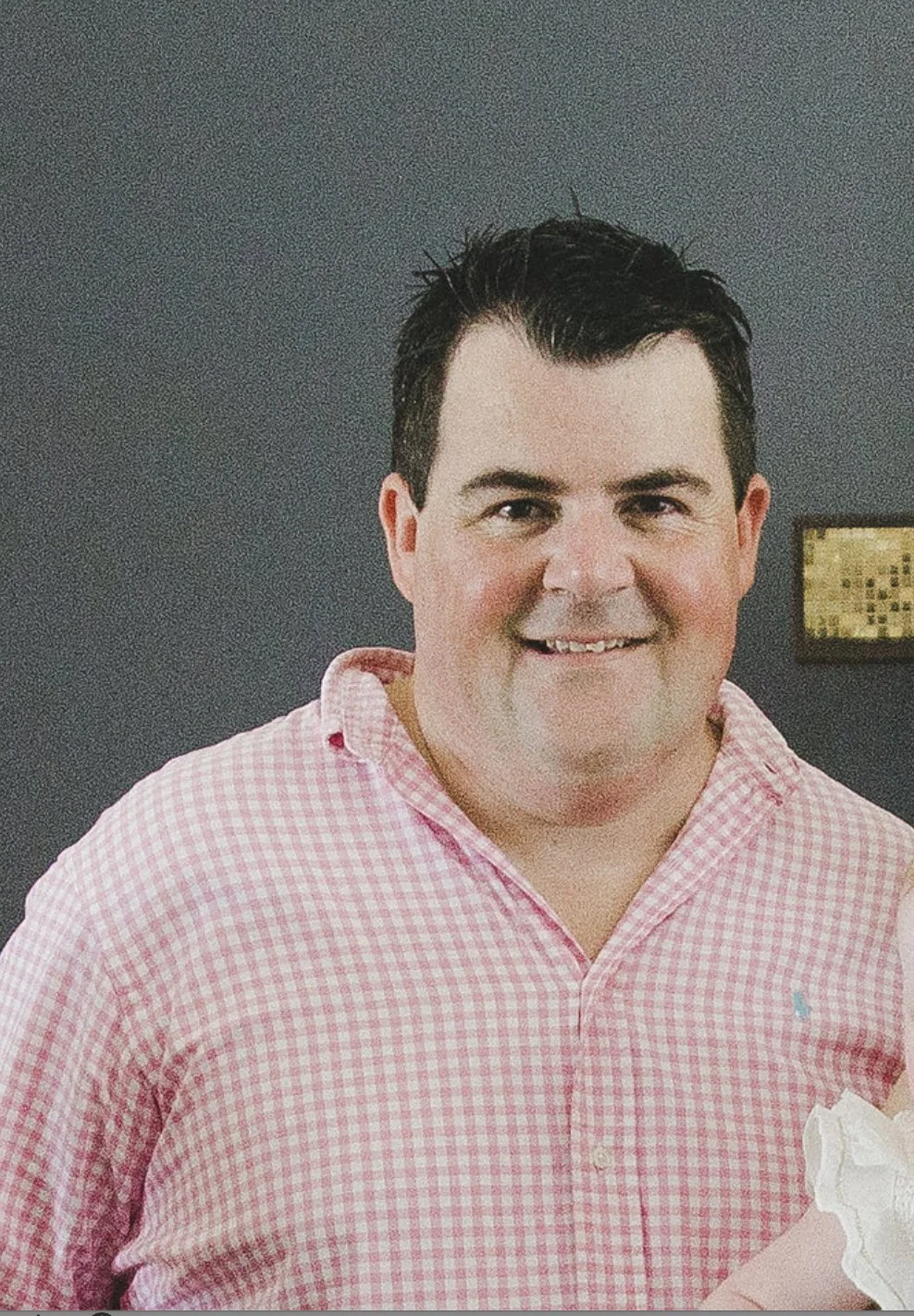
I’ve lived weight loss, not just studied it.
I’ve experienced what it’s like to carry excess weight and navigate the enormous amount of advice about what you’re supposed to do about it.
But one of the most valuable things I gained wasn’t measured on the scale.
It was understanding.
Understanding how to step back and work out what was actually happening. Which things mattered. Which didn’t. What I could change — and what I didn’t need to spend my energy worrying about.
And with that understanding came something I value even more: weight and food no longer occupy the same mental space in my life that they once did.
My experience isn’t your prescription.
What worked for me won’t automatically work for you. Your biology, health, circumstances and life are different.
That’s why I studied Clinical Nutrition.
The clinical work isn’t giving you my solution. It’s understanding you and helping you build yours.
BHSc Clinical Nutrition · Certified Practising Nutritionist (AARPN) · ATMS · Australia-wide telehealth

Imagine you started a year ago.
What would that feel like for you today?
Ready to Fast Forward the Noise?
You don’t need another diet or another set of rules. You need to understand what matters for you, and somewhere sensible to start.
Understand it. Unravel it. Move forward.
Book your initial consultation
Not sure where to start?
Weight loss can involve more than one piece of the picture. The Nutrition Navigator helps you work out what might deserve your attention first — without needing to figure it all out yourself.
Find my starting pointA few questions, and a starting point.
Curious about fasting?
What fasting is, what the evidence says, and why it isn’t a one-size-fits-all approach — including where it may fit, and when it may make things harder.
Get the free fasting guideFour pages, referenced. Emailed to you.
FROM THE BLOG
Learn your metabolism
Stop guessing